

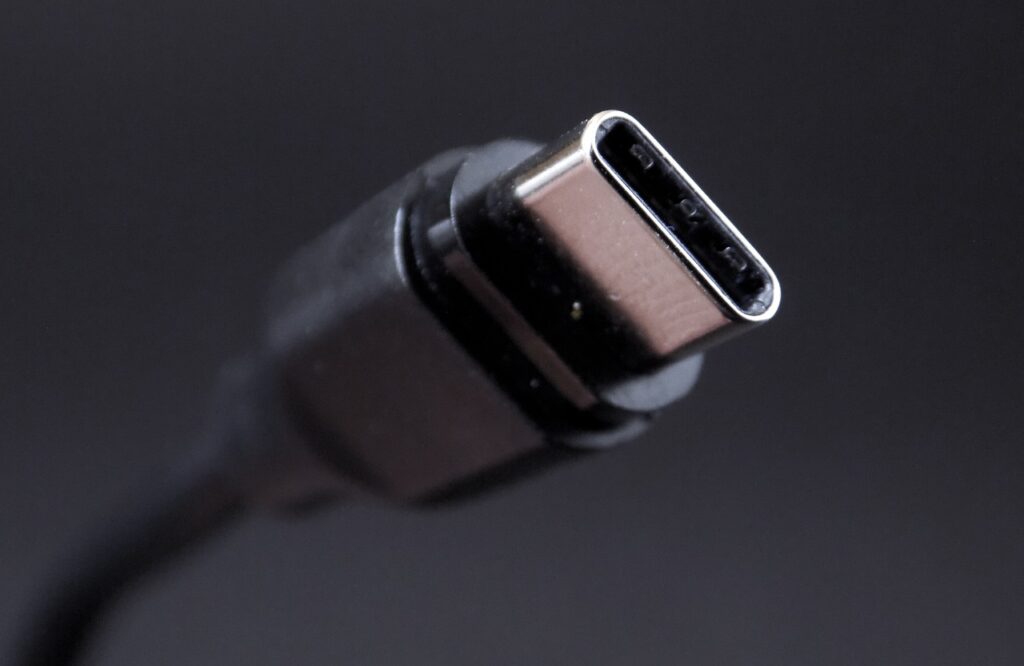
Why USB Type-C Is the Most Competitive Interface in 2025
USB Type-C has officially moved from a “new standard” to the mainstream interface across global devices.
From consumer electronics to industrial systems, medical devices, and automotive electronics, brands worldwide are fully transitioning to Type-C.
The shift is driven by three major factors:
1. Global Regulatory Requirements (Especially in the EU)
The EU’s mandate for a unified charging interface has pushed international brands to update product specifications.
Type-C adoption is no longer just a trend—it is a compliance requirement.
2. All-in-One Capability: Power, Data, and Video in One Connector
Type-C is not only a smaller connector—it integrates multiple functionalities:
-
High-speed data transfer (USB 3.2, USB4)
-
High-power delivery (PD 100W–240W)
-
Video output (DisplayPort Alt Mode / Thunderbolt)
-
Reversible plug for better usability
This allows brands to reduce the number of different ports on their devices, simplifying product design.
3. High Durability for Demanding Applications
A standard USB-C connector supports around 10,000 insertion cycles, significantly higher than Micro-USB (3,000–5,000 cycles).
This makes Type-C ideal for industrial and medical applications that require long-term reliability.
Key Technical Factors That Influence USB Type-C Cost and Performance
Achieving stable mass production for USB Type-C connectors or cables is more complex than it appears.
The following four technical factors have the greatest impact on cost and performance:
1. Terminal Material (e.g., C5191 Phosphor Bronze vs. High-Conductivity Copper)
Material selection affects:
-
Conductivity
-
Insertion durability
-
Mechanical strength
Higher-end cables often use premium materials to prevent fatigue and breakage.
2. Pin Plating Thickness (3–15µ″ Gold Plating)
Thicker plating improves oxidation resistance and contact stability.
Premium products such as 100W PD cables typically use thicker gold plating to extend service life.
3. Internal Cable Structure (E-Marker, AWG Size, Shielding Layers)
High-speed cables require:
-
An E-Marker chip for protocol and power management
-
Appropriate AWG wire size
-
Multi-layer shielding (braided copper + aluminum foil)
These elements directly determine the cable’s performance and cost.
4. Manufacturing Processes (Laser Welding, Ultrasonic Welding, etc.)
For example, laser welding reinforces mechanical strength, making USB-C cables more resistant to bending and daily use.
Products and Applications That Benefit Most From USB Type-C
1. Consumer Electronics
Smartphones, tablets, laptops, gaming devices, Bluetooth accessories, audio equipment.
2. Medical Devices
Stable data transfer and long connector life make Type-C ideal for monitoring and diagnostic equipment.
3. Industrial & Automation Systems
Suitable for environments requiring anti-interference and stable power delivery—such as PLCs and control panels.
4. Automotive Electronics
Car chargers, rear-seat entertainment, and charging modules are rapidly adopting Type-C.
Why Brands Need a Reliable USB Type-C Supplier More Than Ever in 2025
As Type-C’s functionality expands, customer expectations become more demanding:
-
Stable, consistent mass-production quality
-
Avoiding misleading specifications (e.g., claiming 100W without E-Marker)
-
Compliance with international market standards (EU, US, Japan)
-
Customizable cable solutions (length, materials, appearance, angled connectors, etc.)
A USB-C cable may look simple, but true quality depends on material selection and manufacturing precision.
Walta Electronic’s USB Type-C Solutions
Walta Electronic offers a complete range of Type-C products, including:
✔ USB Type-C Connectors (Receptacle / Plug)
-
Compatible with USB 3.0 / 3.2 / PD 100W / PD 240W
-
Strict control of pin structure and plating thickness
-
Excellent durability and stable mass-production quality
✔ USB Type-C Cables (USB 2.0, USB 3.0, USB 3.2, PD Charging)
-
E-Marker supported
-
AJ/AM/CM/CF options
-
Custom materials, colors, and braided/eco-friendly versions available
✔ Customized Wire Harness & Integrated Solutions
-
Medical device wire harnesses
-
Industrial automation wiring
-
Automotive electronic harnesses
-
OEM & ODM development support
Our engineering and production teams help customers optimize performance, cost, and time-to-market from product design to final mass production.
Conclusion: USB Type-C Is the Smartest Investment for 2025
With regulatory changes, technological maturity, and evolving market expectations, USB Type-C has become a global standard, not just an optional upgrade.
Walta Electronic will continue delivering high-quality, customizable, and globally competitive Type-C connectors and cable solutions to support your product evolution in 2025 and beyond.
🏢 About Walta Electronic
Walta Electronic specializes in high-quality connectivity solutions, providing a full range of USB Type-C, HDMI, DisplayPort connectors, Board-to-Board connectors, power connectors, as well as custom cables and wire harness assemblies. With precision manufacturing and advanced R&D, we serve premium applications across consumer electronics, medical technology, industrial control, Telecommunications, and automotive electronics — helping our partners stay competitive with performance they can trust.
👉 Follow us on LinkedIn for the latest product updates and connector insights.
為何 USB Type-C 成為 2025 年最具競爭力的介面?
USB Type-C 已正式從「新標準」升級為 全球裝置的主流介面。
從消費性電子到工控設備、醫療儀器、車用電子,全球品牌都在全面導入 Type-C。
推動這波轉換的三大關鍵因素如下:
1. 全球法規推動(尤其是歐盟)
歐盟推動統一充電介面,使國際品牌必須更新產品規格。
Type-C 的導入已不只是市場趨勢,更是 法規合規需求。
2. 多功能整合:電力、資料、影音於一體
Type-C 不僅體積更小,它整合了多種功能:
-
高速資料傳輸(USB 3.2、USB4)
-
大功率快充(PD 100W–240W)
-
影音輸出(DisplayPort Alt Mode / Thunderbolt)
-
正反皆可插設計,提升使用體驗
這讓品牌能減少裝置上多種連接口的設計,大幅簡化產品開發。
3. 高耐用度,適用高需求應用場景
USB-C 標準插拔壽命約 10,000 次以上,明顯優於 Micro-USB(3,000–5,000 次)。
因此 Type-C 特別適合工業與醫療等需要長壽命、高可靠度的應用。
影響 USB Type-C 成本與性能的核心技術因素
要讓 USB Type-C 連接器或線材具備穩定的量產能力,比外表看起來更為複雜。
以下四項技術因素最顯著影響成本與性能:
1. 端子材質(如 C5191 磷銅 vs 高導銅)
材質會直接影響:
-
導電率
-
插拔壽命
-
機械強度
高階線材通常使用更高級的端子材料,以避免疲勞造成的損壞。
2. 針腳電鍍厚度(3–15µ″ 鍍金)
較厚的鍍金層可提升抗氧化與接觸穩定度。
例如 100W PD 線材通常採用較厚鍍金,以延長使用壽命。
3. 線材內部結構(E-Marker、AWG 線徑、屏蔽層)
高速線材必須搭配:
-
E-Marker 晶片(管理協定與功率)
-
適當 AWG 線徑
-
多層屏蔽(銅編織+鋁箔)
這些結構直接決定線材的性能與成本。
4. 製程與焊接技術(雷射焊接、超音波焊接等)
例如:
雷射焊接可強化結構,使 USB-C 線材更耐彎折、耐日常使用。
最適合導入 USB Type-C 的產品與應用
1. 消費性電子
手機、平板、筆電、電競裝置、藍牙設備、音訊產品等。
2. 醫療設備
資料傳輸穩定、插拔壽命高,適用於監測與診斷儀器。
3. 工業與自動化系統
需要抗干擾及穩定供電的環境,如 PLC、控制面板等。
4. 車用電子
車充、後座娛樂系統、充電模組皆快速向 Type-C 過渡。
為何 2025 年品牌比以往更需要可靠的 USB Type-C 供應商?
隨著 Type-C 的功能擴大,客戶的期待也更明確:
-
高穩定度的量產品質
-
避免規格造假(如未含 E-Marker 卻標示 100W)
-
國際市場法規一致性(EU、US、Japan)
-
線材客製化需求提升(長度、材質、外觀、彎頭等)
雖然一條 USB-C 線材看起來簡單,但真正的品質差異都藏在 材料與製程 中。
Walta Electronic 的 USB Type-C 全面解決方案
Walta Electronic 提供完整的 Type-C 系列產品,包括:
✔ USB Type-C 連接器(Receptacle / Plug)
-
支援 USB 3.0 / 3.2 / PD 100W / PD 240W
-
嚴格控制 Pin 結構與鍍金厚度
-
耐用度高、量產穩定性佳
✔ USB Type-C 線材(USB 2.0、USB 3.0、USB 3.2、PD 充電線)
-
支援 E-Marker
-
AJ / AM / CM / CF 多種接頭
-
可客製材質、顏色、編織線、環保材質
✔ 客製化線束與整合方案
-
醫療線束
-
工控線束
-
車用電子線束
-
OEM / ODM 設計支援
Walta 團隊從設計到量產提供完善協助,協助客戶在性能、成本與上市時間之間取得最佳平衡。
結語:USB Type-C 是 2025 年最值得投資的技術規格
隨著法規推動、技術成熟、全球市場需求演變,USB Type-C 已成為 全球統一標準。
Walta Electronic 將持續提供 高品質、可客製、具國際競爭力 的 Type-C 連接器與線材解決方案,協助客戶在 2025 年快速升級產品。
🏢 關於 Walta Electronic
Walta Electronic 專注於高品質連接解決方案,產品涵蓋 USB Type-C、HDMI、DisplayPort、Board-to-Board Connectors、Power Connectors,以及 客製化線材與端子線組。我們憑藉精密製造與專業研發技術,服務應用於 Consumer Electronics、醫療科技、工業控制、Telecommunications與車用電子 等高階領域,致力於協助合作夥伴以穩定性能立足競爭市場。
👉 歡迎追蹤我們的 LinkedIn,掌握最新產品資訊與連接器趨勢觀點。